Exercise during Ramadan
Exercise during Ramadan
Lever Strength is one of the leading Saudi platforms specializing in online sports training, therapeutic nutrition, and nutrition tailored to athletes. It offers comprehensive solutions that suit the nature of Ramadan and take into account the needs of fasting individuals who wish to maintain their fitness and achieve their health goals. The platform relies on flexible training plans and well-designed nutritional programs that help burn fat and build muscle without affecting energy levels or overall health. It also provides professional follow-up and continuous performance evaluation to ensure sustainable results during and after the holy month.
Ramadan sports
Exercising during Ramadan requires understanding the changes the body undergoes while fasting. Energy levels decrease during daylight hours, and the body relies more heavily on fat stores as a fuel source. Organizing exercises according to these changes helps achieve optimal results without strain or exhaustion. Choosing the type, duration, and intensity of exercise plays a crucial role in maintaining muscle mass and stimulating metabolism. Combining regular training with a balanced diet is essential for achieving overall fitness.
When should I exercise during Ramadan?
Choosing the right time to exercise during Ramadan depends on a person's goals and physical condition. Some prefer to exercise an hour before Iftar to benefit from increased fat burning, while others choose to exercise two hours after Iftar to ensure they have the energy and fluids needed for optimal performance. It's important to avoid strenuous exercise during periods of extreme heat or when feeling fatigued. Adhering to a consistent schedule helps the body adapt and gradually improve performance throughout the month.
Exercise before breakfast
Pre-breakfast exercise typically focuses on light to moderate activities such as brisk walking or simple bodyweight exercises that don't require high exertion. This type of training helps boost the burning of stored fat while maintaining stable energy levels. The duration of the exercise should be moderate, and attention should be paid to any signs of unusual fatigue. After breakfast, it is recommended to eat a balanced meal to replenish fluids and nutrients and support muscle recovery.
Exercise after breakfast
Exercising after breakfast provides an opportunity to perform more intense exercises such as resistance training or progressive cardio, as the body has recovered some of its energy and benefits from the availability of fluids and nutrients to support performance. Sufficient time should be waited after eating to allow for comfortable digestion. Furthermore, dividing meals between breakfast and suhoor contributes to supporting physical activity and achieving better results in muscle building or fat loss.
Ramadan fat burning exercises
Fat-burning exercises during Ramadan include moderate cardio and circuit training, which combines sequential movements and raises the heart rate. This approach helps boost metabolism and utilize fat as the primary energy source. Regular exercise, combined with a balanced diet, contributes to a healthy and sustainable reduction in body fat. Variety in exercises is also important to avoid boredom and keep the body motivated.
Cardio during Ramadan
Cardio during Ramadan is one of the best options for improving cardiorespiratory fitness and increasing metabolism. It can include brisk walking, stationary cycling, or light jumping exercises depending on fitness level. It is recommended to start with short sessions and gradually increase them to ensure adaptation without strain. Combining cardio with resistance training achieves an ideal balance between fat loss and maintaining muscle mass during the month.
Ramadan home exercises
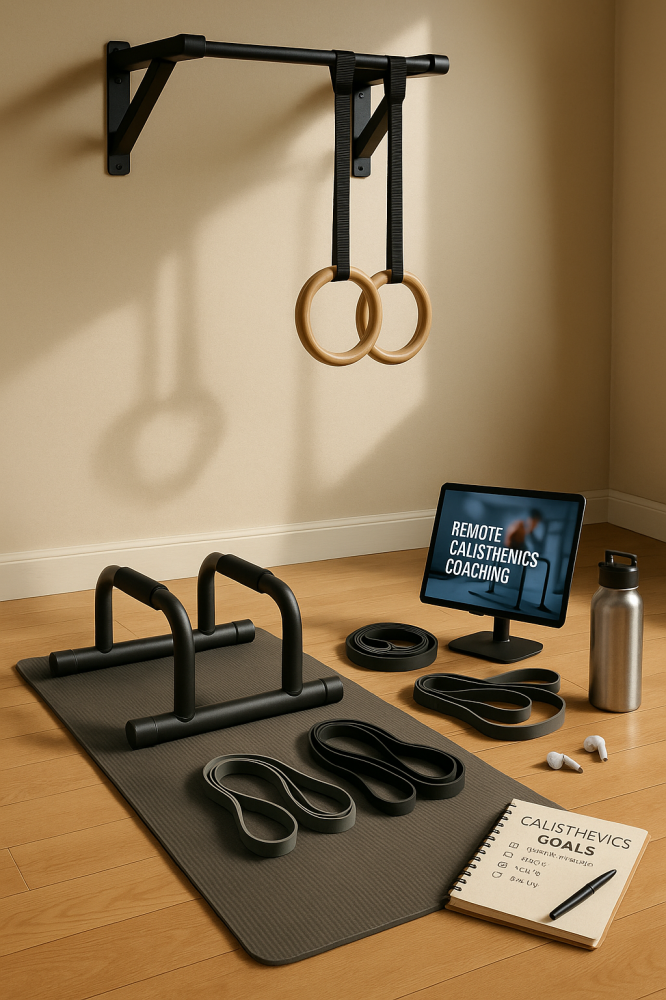
Home workouts during Ramadan offer a practical solution for those who prefer to train at home. Squats, push-ups, and abdominal exercises can be performed using only body weight. These exercises help strengthen muscles and improve fitness without the need for complex gym equipment. Additionally, online training programs offered by Lever Strength provide clear guidance and training plans suitable for all levels, promoting consistency and discipline.
Weight loss during Ramadan
Weight loss during Ramadan can be achieved by balancing calorie reduction with increased physical activity while maintaining a healthy diet. Focus should be placed on consuming sufficient protein and vegetables, and reducing sugars and saturated fats to ensure healthy results. Drinking enough water between Iftar and Suhoor boosts metabolism and helps control appetite. Adhering to a clear and well-thought-out plan leads to gradual and sustainable weight loss without negatively impacting health.