Ramadan exercise schedule
Lever Strength is a Saudi platform specializing in online sports training programs, therapeutic nutrition, and customized nutrition for athletes. It offers practical solutions for those wishing to maintain their fitness during Ramadan. The platform relies on well-structured training plans that take into account the nature of fasting and balance exercise and nutrition to ensure optimal results without impacting health or energy levels. These programs help organize workout times and determine the appropriate intensity for each participant based on their physical condition and goals, whether it's weight loss, muscle building, or improving overall fitness.
Ramadan exercise schedule
A Ramadan exercise schedule involves distributing training sessions throughout the week to ensure a balance between activity and rest, maintaining muscle mass and boosting fat burning. The schedule typically includes light to moderate resistance training with moderate cardio sessions to stimulate metabolism. Exercise should be scheduled either one hour before Iftar (breaking the fast) or two hours after, depending on the individual's ability and energy level. It is also recommended to include one or two days of active rest, such as light walking, to ensure recovery and achieve optimal results gradually and safely.
Home exercises during Ramadan
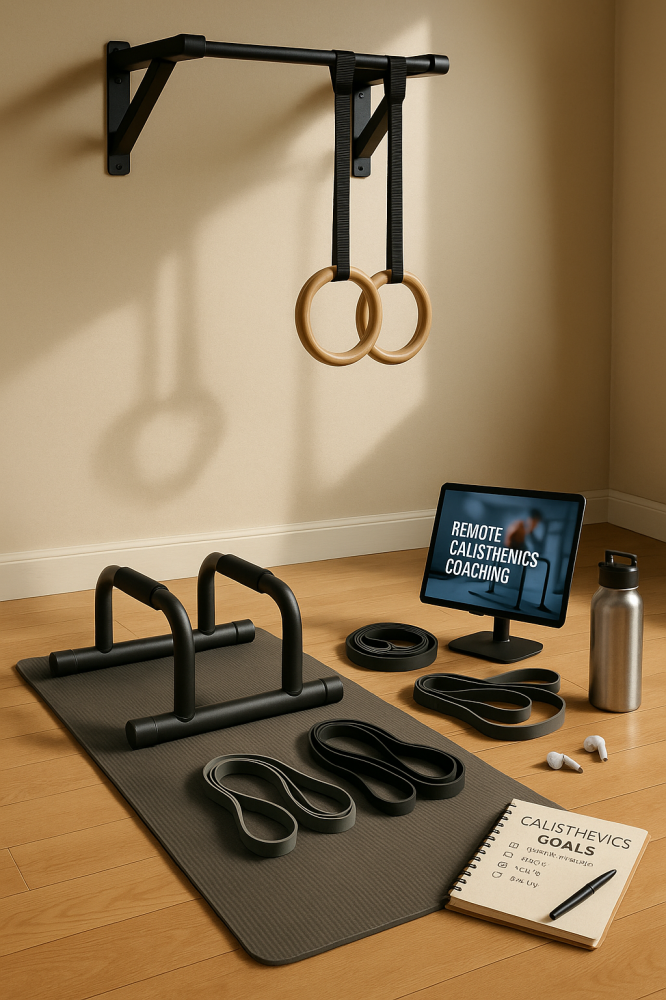
Home workouts during Ramadan are an ideal option for those who cannot go to the gym. Bodyweight exercises such as squats, push-ups, and abdominal exercises can be performed without the need for complicated equipment. These exercises help maintain fitness and strengthen muscles while reducing stress on the body during fasting. The workout can be divided into short sets with appropriate rest periods to avoid fatigue. It is preferable to incorporate stretching exercises to improve flexibility and reduce the likelihood of injuries during the holy month.
Is exercising while fasting beneficial?
Exercising while fasting can be beneficial if done in a structured and well-planned manner. It helps improve insulin sensitivity, promotes the burning of stored fat as an energy source, and contributes to maintaining overall fitness while minimizing muscle loss due to reduced calorie intake. However, the intensity and duration of exercise must be carefully considered to avoid dehydration or excessive fatigue. Listening to your body's signals is essential for ensuring safe and effective exercise during this period.
How can I exercise during Ramadan without getting tired?
To avoid fatigue during exercise in Ramadan, focus on moderate intensity and a suitable duration that does not exceed the body's daily capacity. A balanced Iftar meal containing protein, complex carbohydrates, and healthy fats is also essential to replenish lost energy. Drinking sufficient water between Iftar and Suhoor is recommended to maintain hydration, in addition to getting enough sleep, which supports muscle recovery and improves performance the following day, making exercise easier and more comfortable.
Exercises to burn fat during Ramadan
Fat-burning exercises during Ramadan include low- to moderate-intensity cardio such as brisk walking or using a stationary bike, in addition to circuit training exercises that combine resistance and continuous movement. This type of training raises the heart rate and stimulates the body to use fat as its primary energy source. Regularly performing these exercises, along with following a balanced diet, contributes to achieving noticeable results within a few weeks while maintaining overall health.
Body toning exercises during Ramadan
Body toning exercises focus on strengthening muscles and improving their appearance through resistance training such as weightlifting, using resistance bands, or bodyweight exercises. These exercises help prevent sagging skin resulting from rapid weight loss during Ramadan, and they also promote body symmetry and increase physical strength. It is recommended to perform the exercises at a steady pace, focusing on proper technique to ensure maximum benefit and reduce the risk of injury.
Walking during Ramadan for weight loss
Walking is one of the simplest and best activities to do during Ramadan for weight loss, as it helps to stimulate blood circulation and increase the metabolic rate without much exertion. It can be done shortly before Iftar or two hours after, depending on personal comfort. Regularly walking for thirty to forty minutes daily contributes to improved fitness and a gradual reduction in body fat percentage, while maintaining stable energy levels throughout the day.
Light exercises during fasting
Light exercise during fasting, such as stretching, deep breathing exercises, and simple bodyweight movements, helps to activate muscles without excessively depleting energy. It also contributes to reducing feelings of lethargy and improving overall mood. It is recommended to perform these exercises in a moderately warm environment, avoiding direct sun exposure to ensure comfort and safety during the fasting period.
Best exercises for weight loss during Ramadan
The best exercises for weight loss during Ramadan combine cardio and resistance training to achieve a balance between fat burning and muscle preservation. Low-intensity interval training is an effective option for those seeking faster results without excessive exertion. Adhering to a clear training plan and a balanced diet ensures healthy and sustainable weight loss throughout the holy month, while also improving overall fitness and lifestyle.